





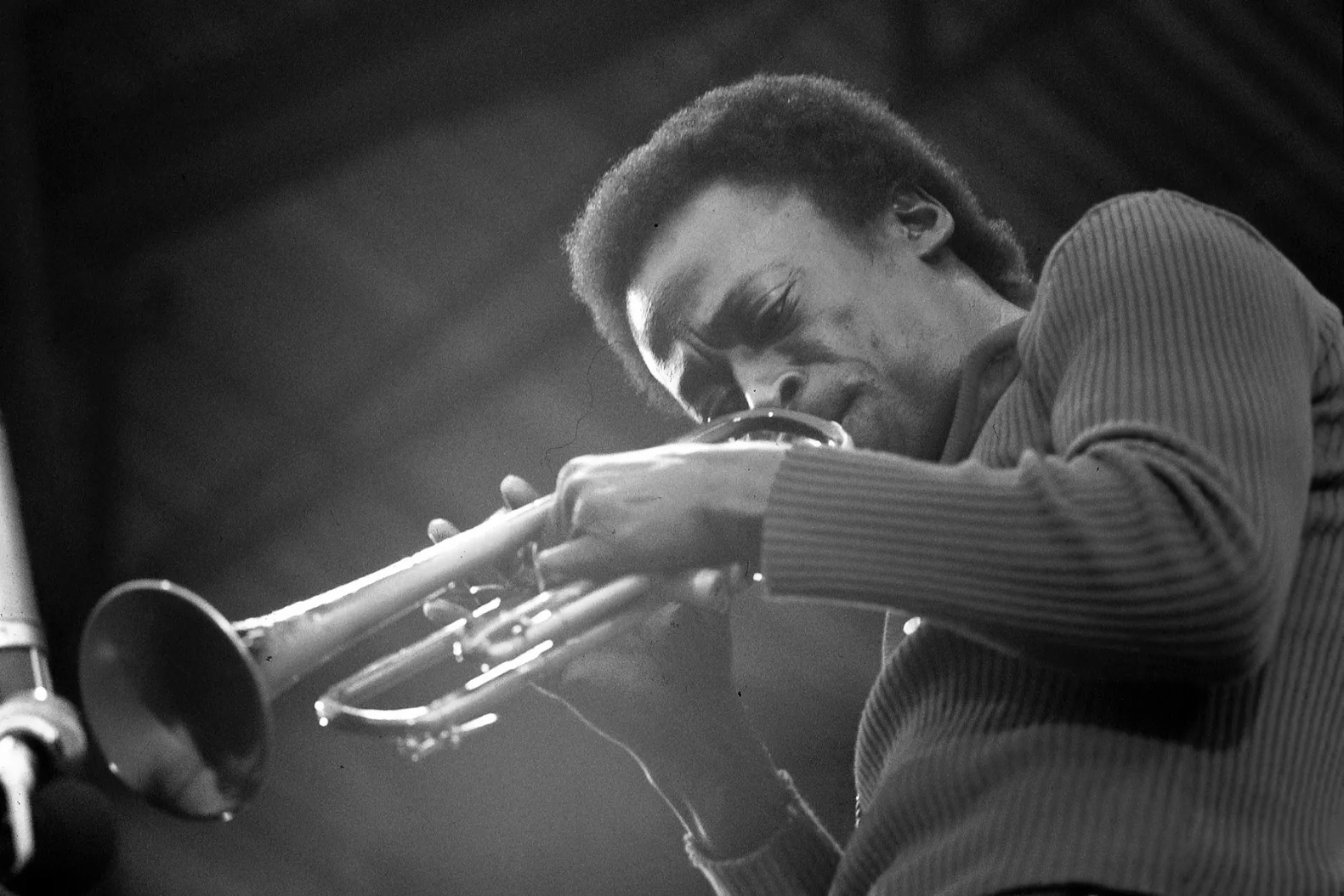
Editorial image of Miles Davis used for non-commercial design exploration.
Miles Davis
Visual system translating musical evolution - Concept
2024 | Visual System | Music Design
PROJECT
From structure to experimentation
From system to output
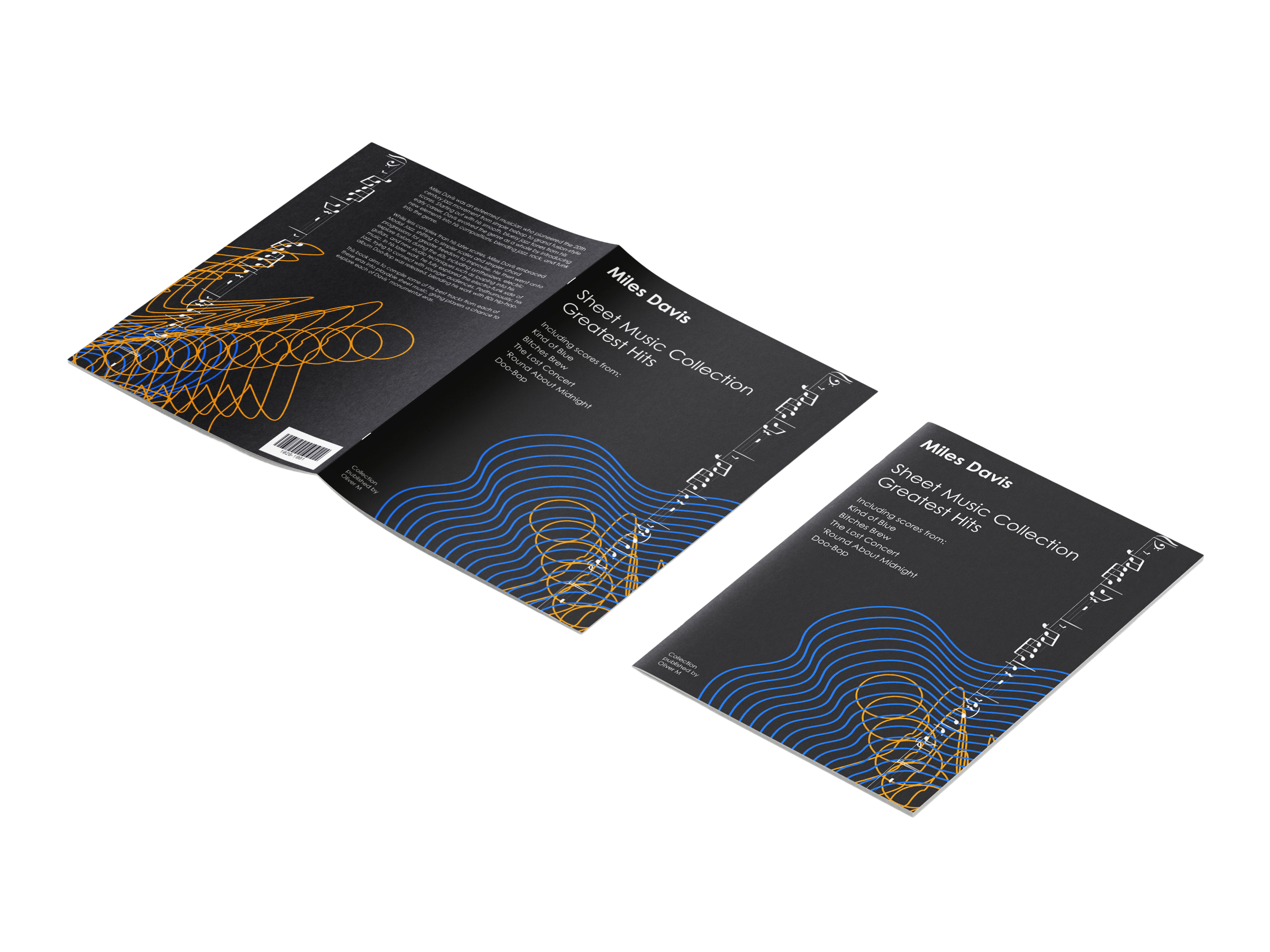
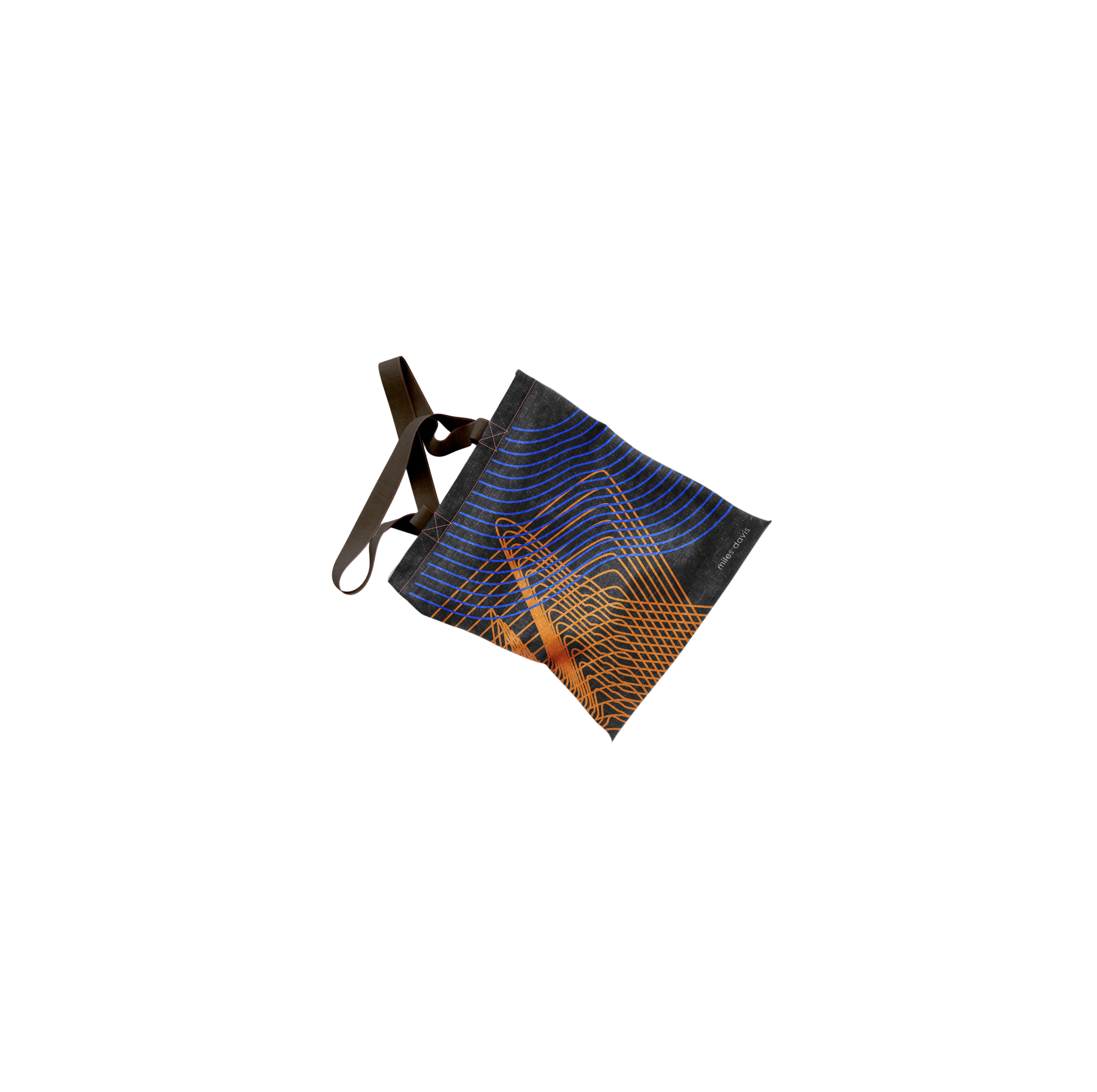
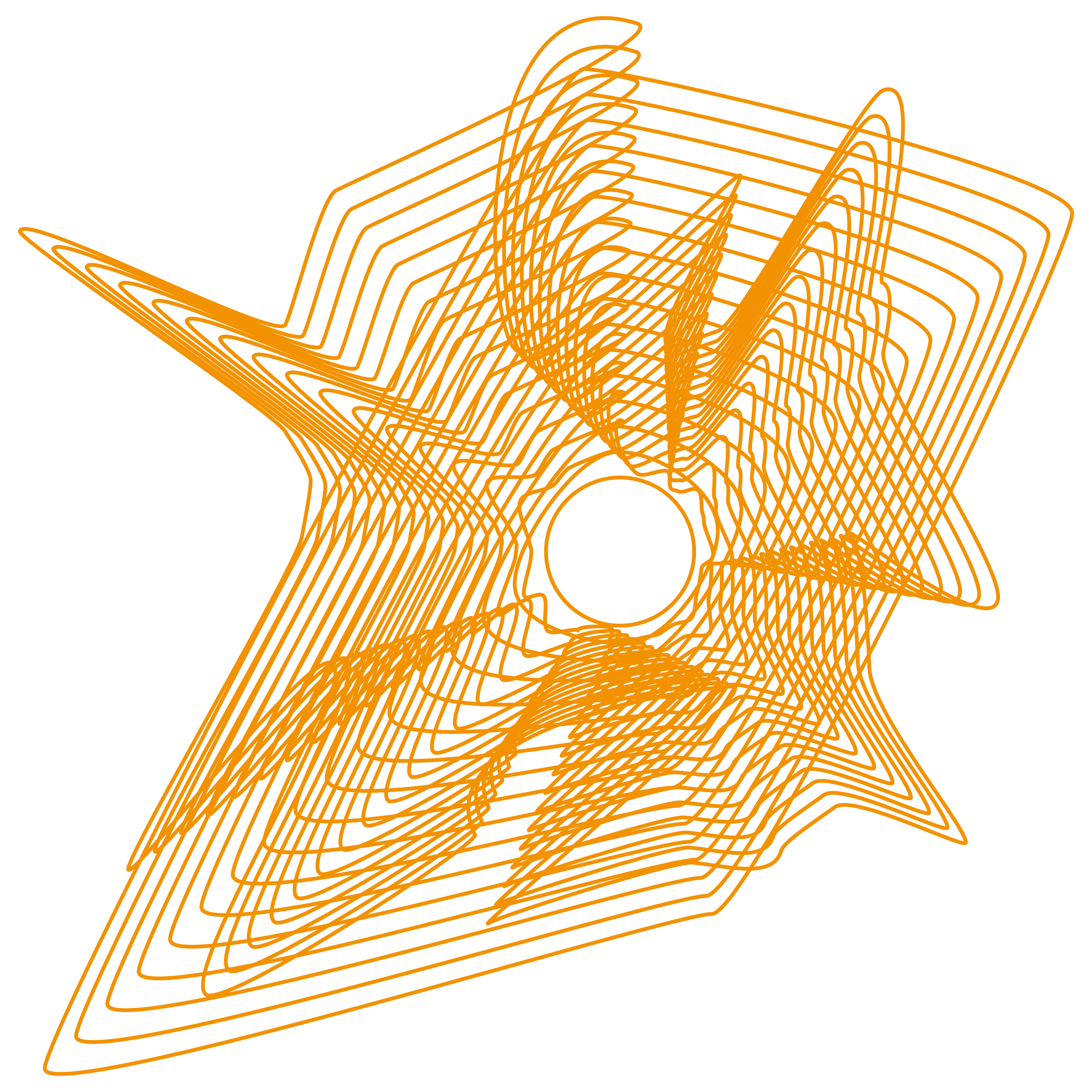
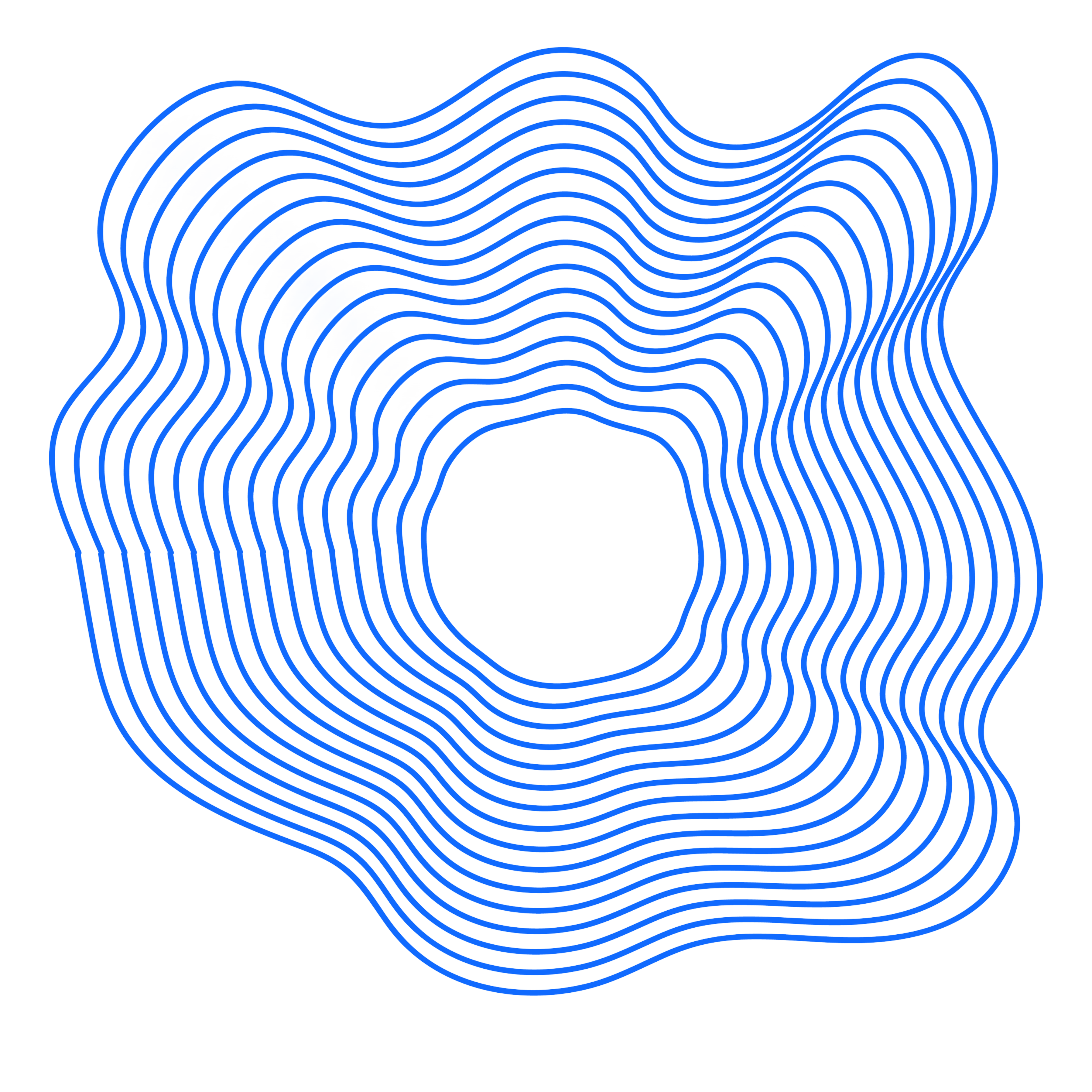
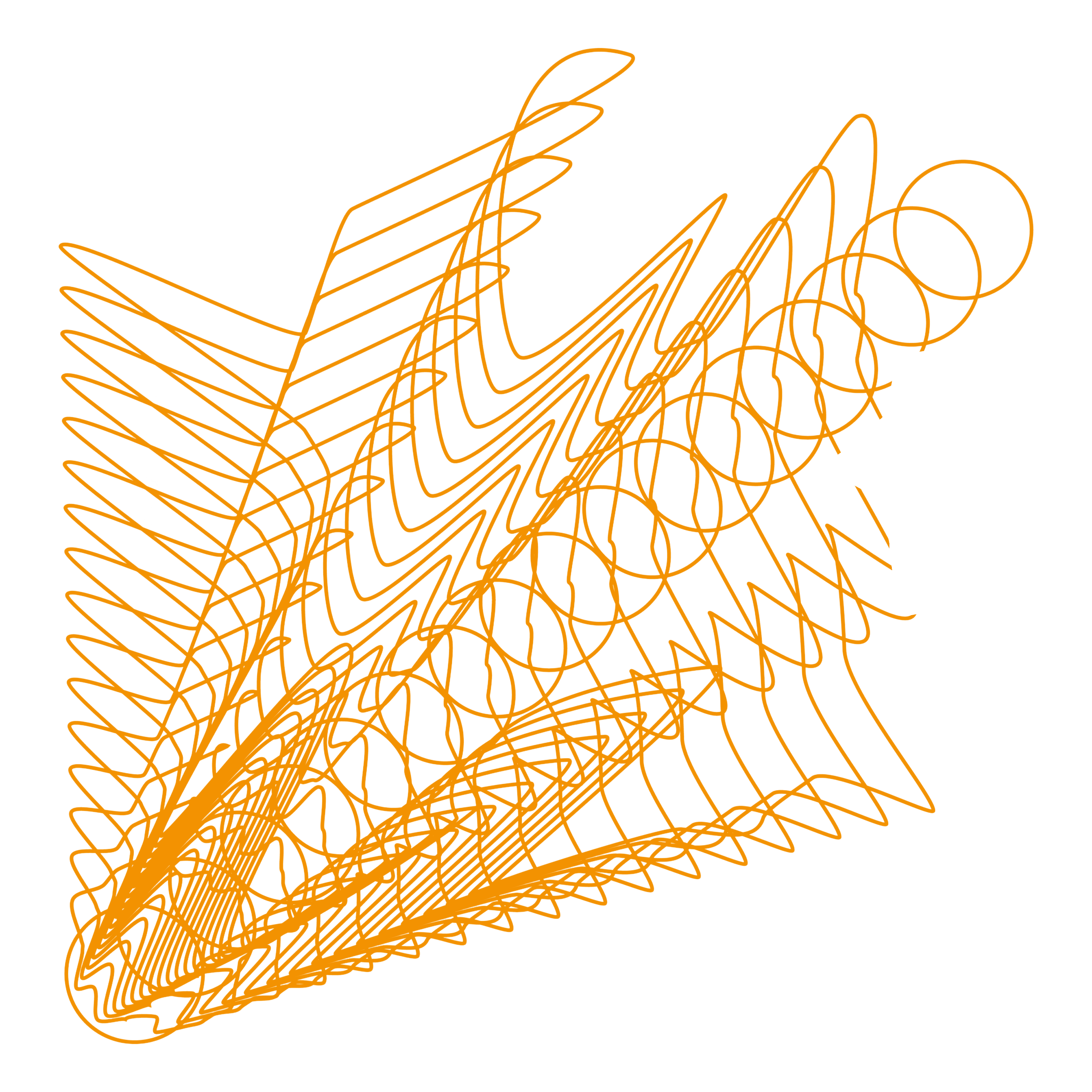
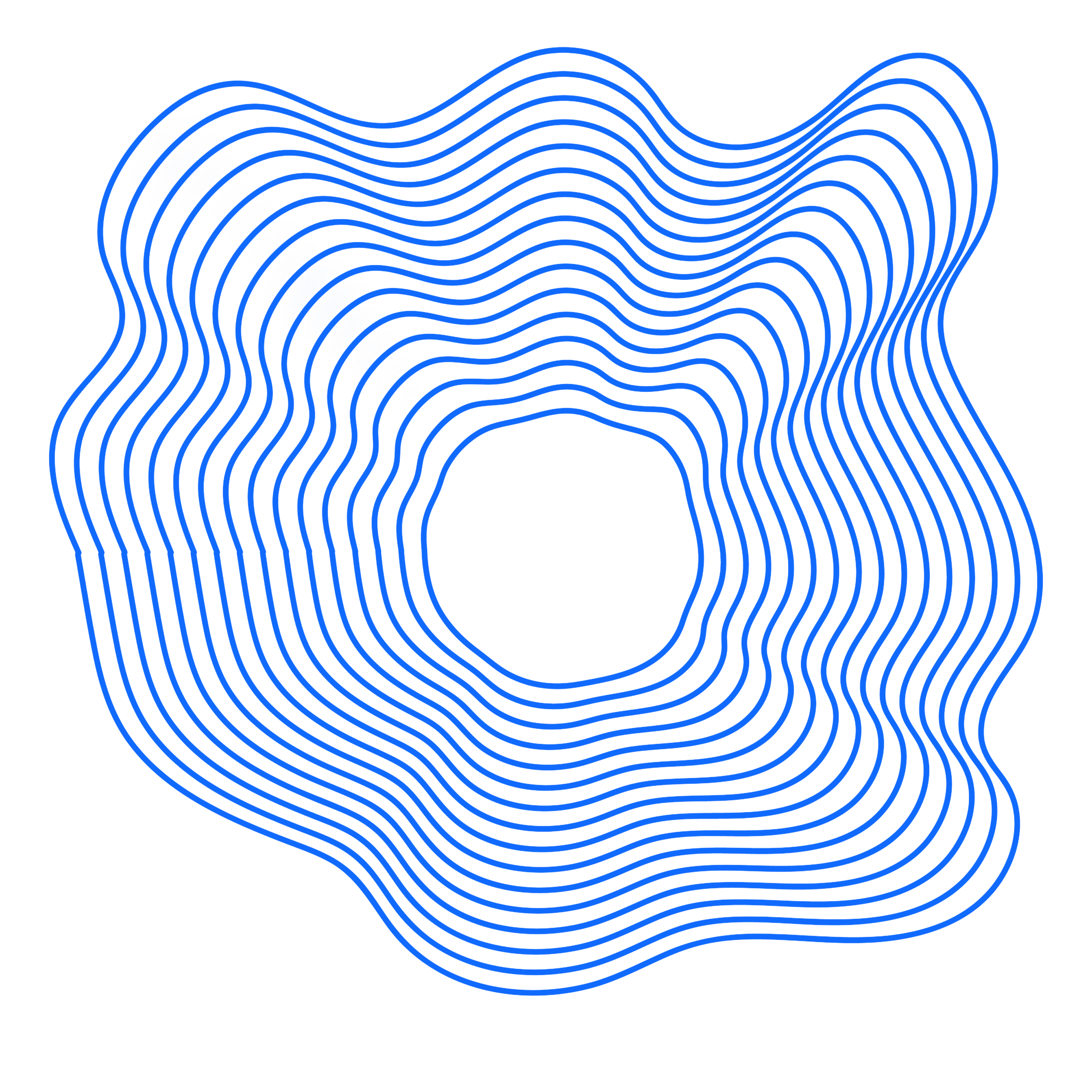
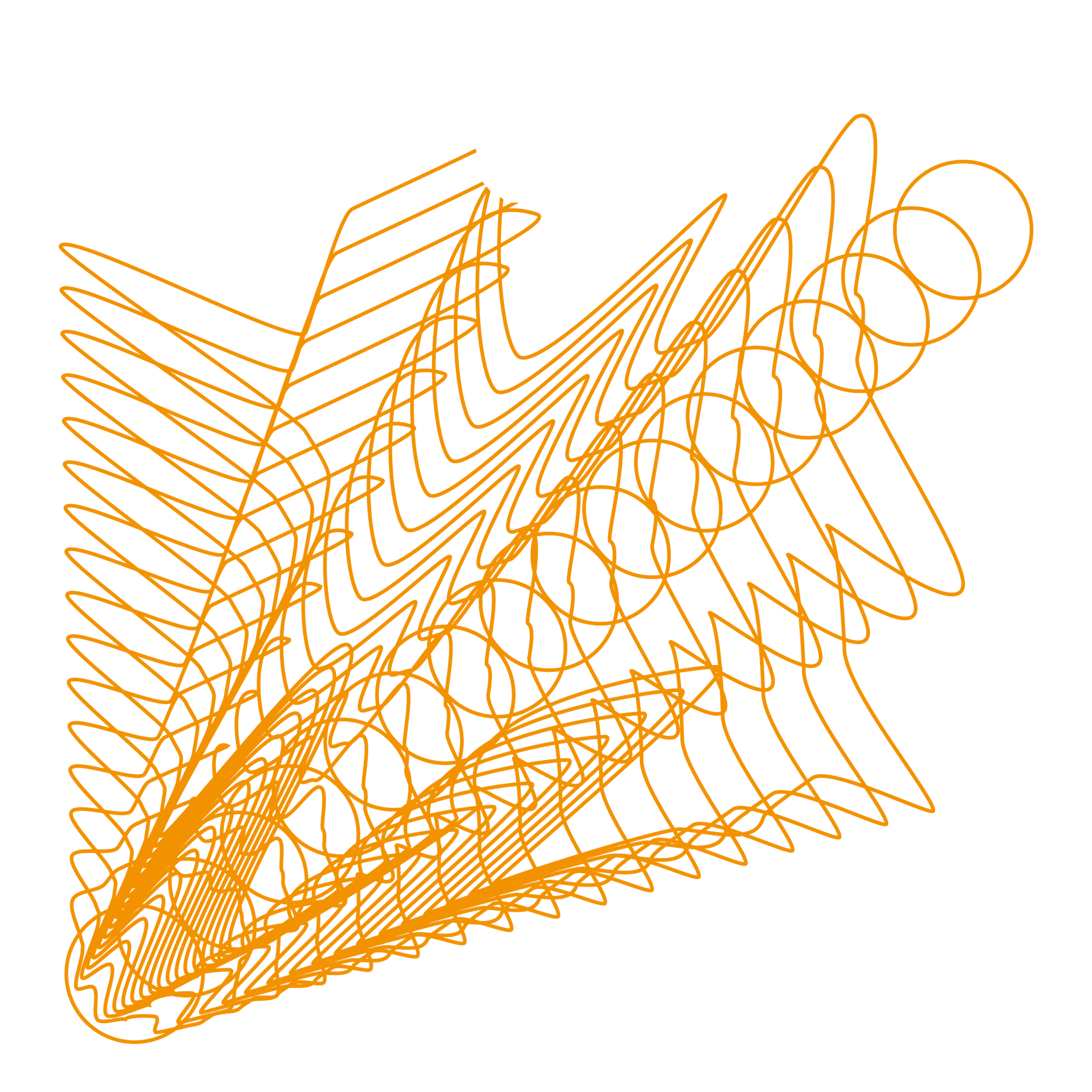
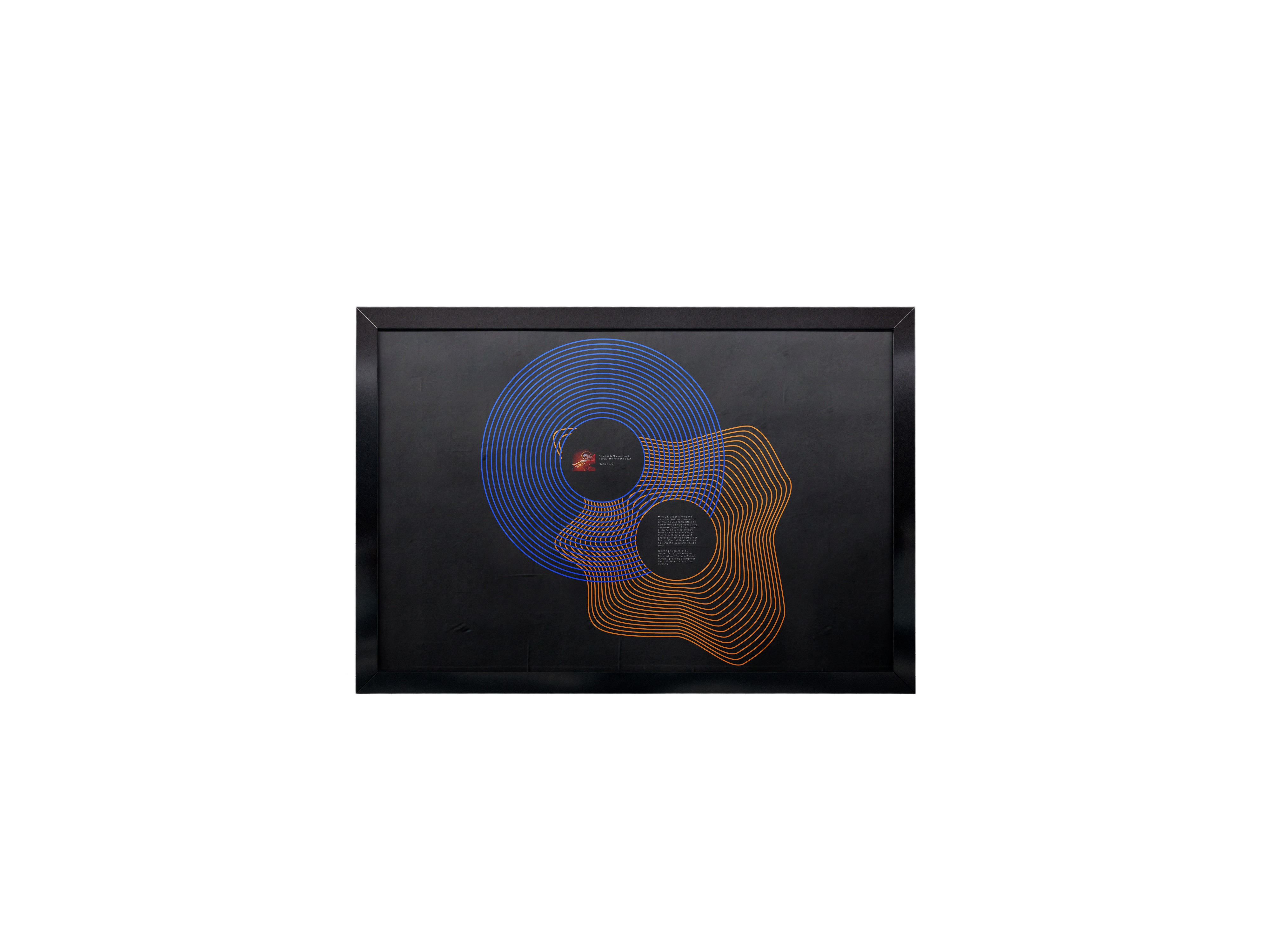
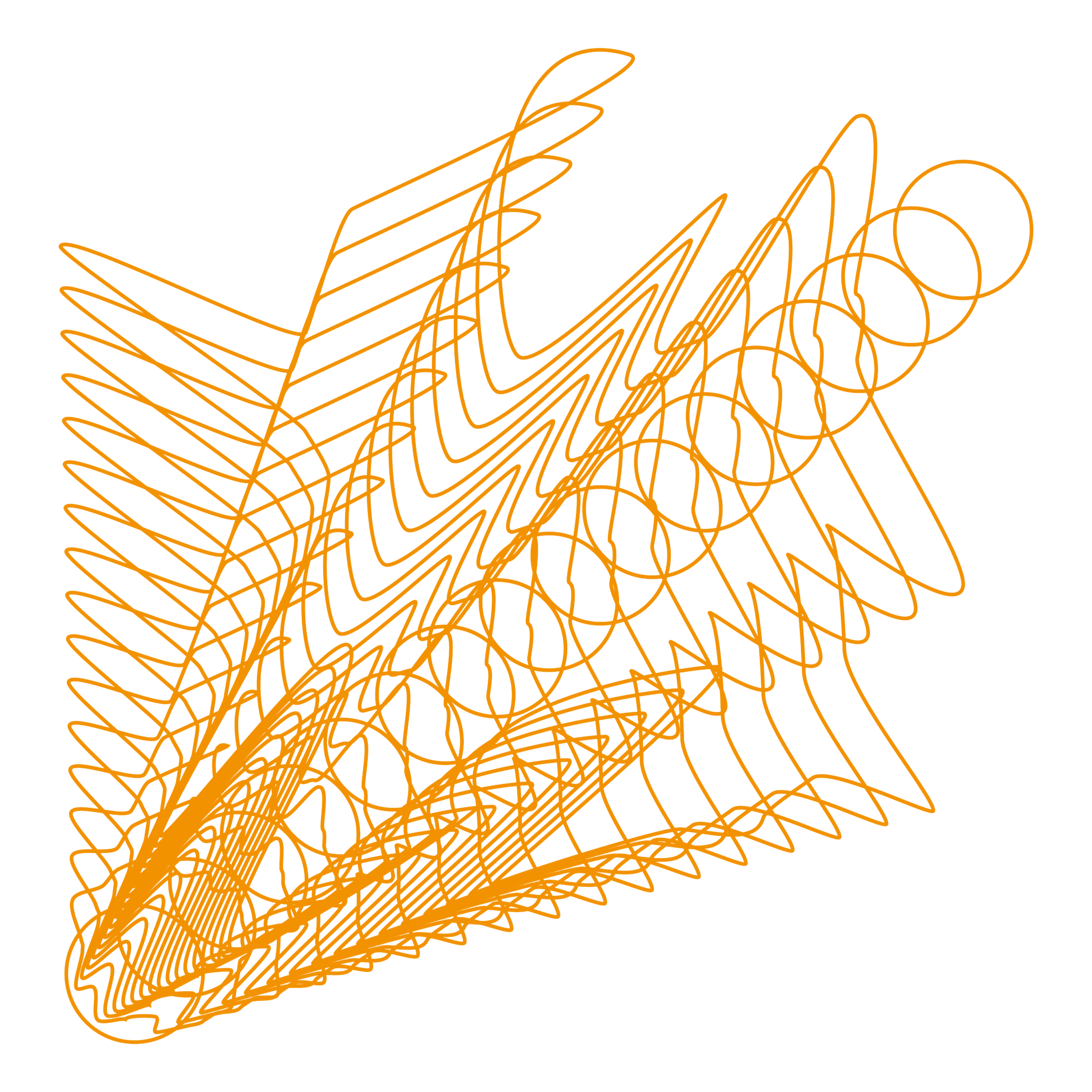
The system is driven by line behaviour, translating shifts in rhythm, density, and form. Overlapping linework reflects the tension between structure and experimentation, mirroring the evolution of Miles Davis’s music.
The system adapts across print and physical formats, maintaining consistency while allowing variation in composition and expression.
Line behaviour responds to audio - bass driving structural blues, treble giving the orange reaction.

Outcome
The project establishes a flexible visual system capable of translating musical evolution into a clear and recognisable language.
By shifting from structured to expressive behaviours, the system captures contrast, progression, and variation while remaining visually consistent across formats.
It demonstrates how abstract concepts such as rhythm and tone can be communicated through controlled, rule-based design.

No Disguise
Youth mental health platform - Concept
2026 | Brand Identity | Website Design | UI/UX
A-642 Architects
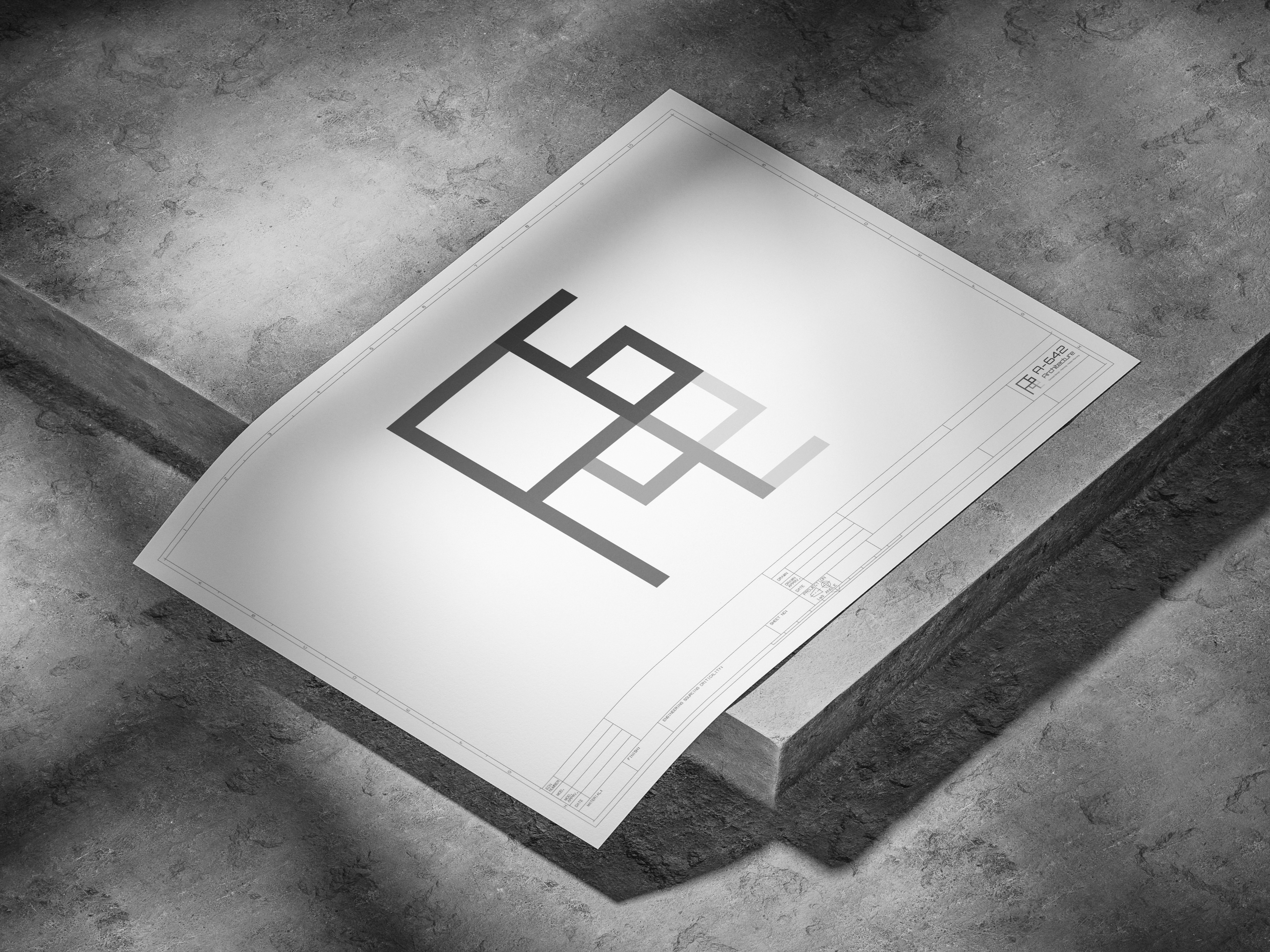
Branding commissioned by A-642
2025 | Branding | Client Project





LUMA
Youth mental health platform - Concept
2026 | Brand Identity | Website Design | UI/UX
Miles Davis’s work spans multiple eras, shifting from structured, melodic compositions to more experimental and expressive forms.
Traditional visual approaches often reduce artists to a single aesthetic, failing to capture this evolution over time.
The challenge was to create a system that could reflect change - translating sound, rhythm, and structure into a clear visual language.
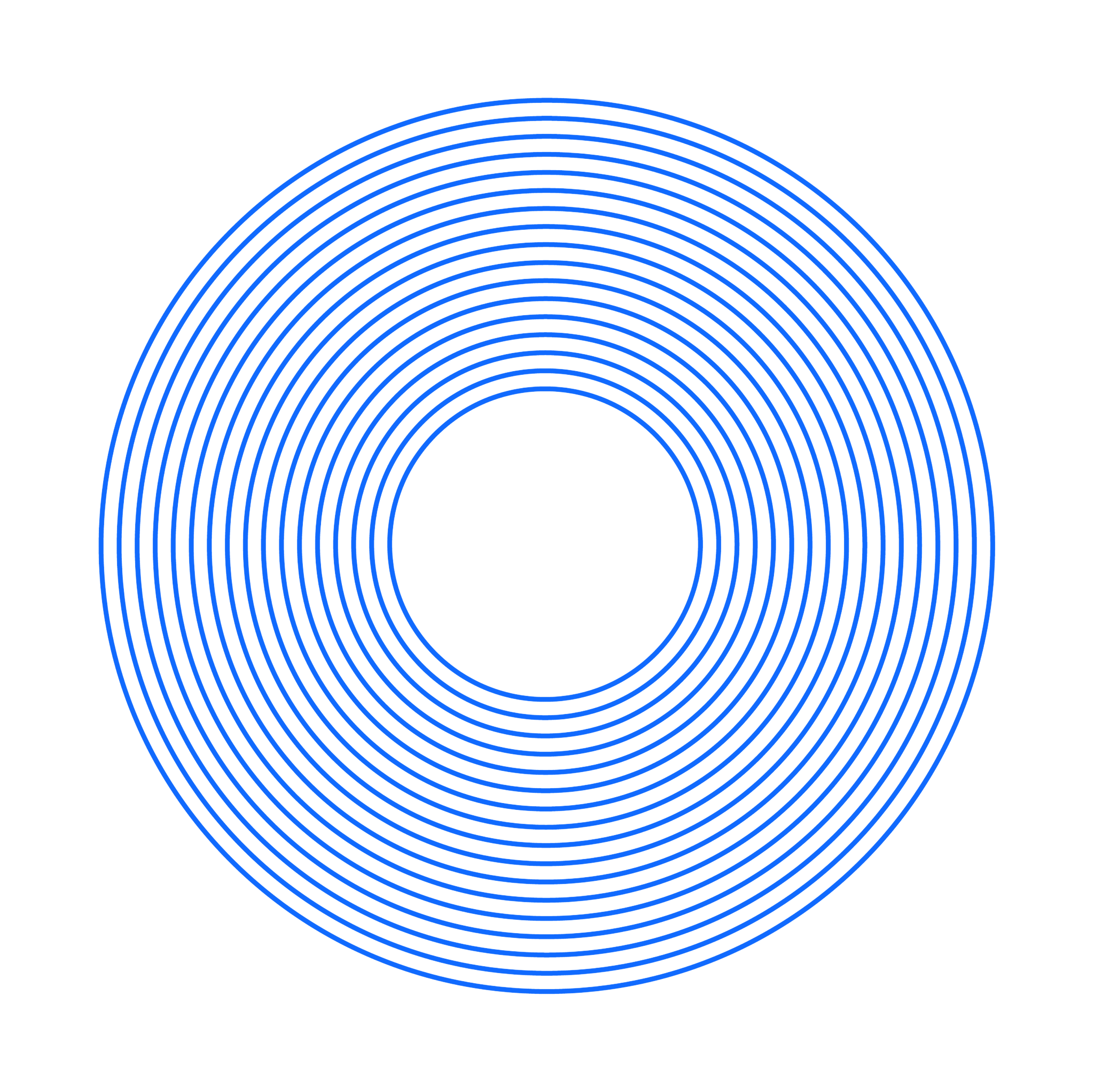
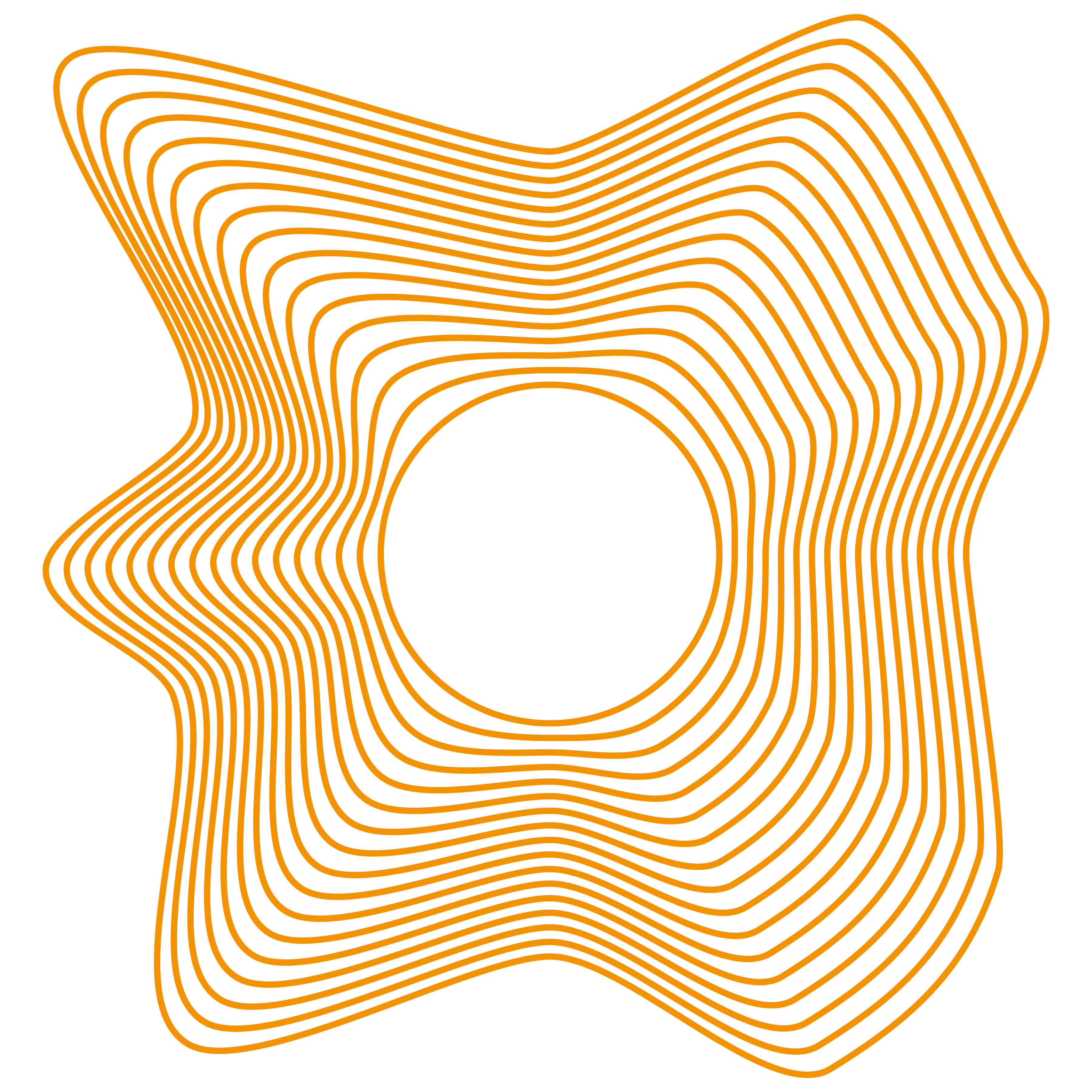
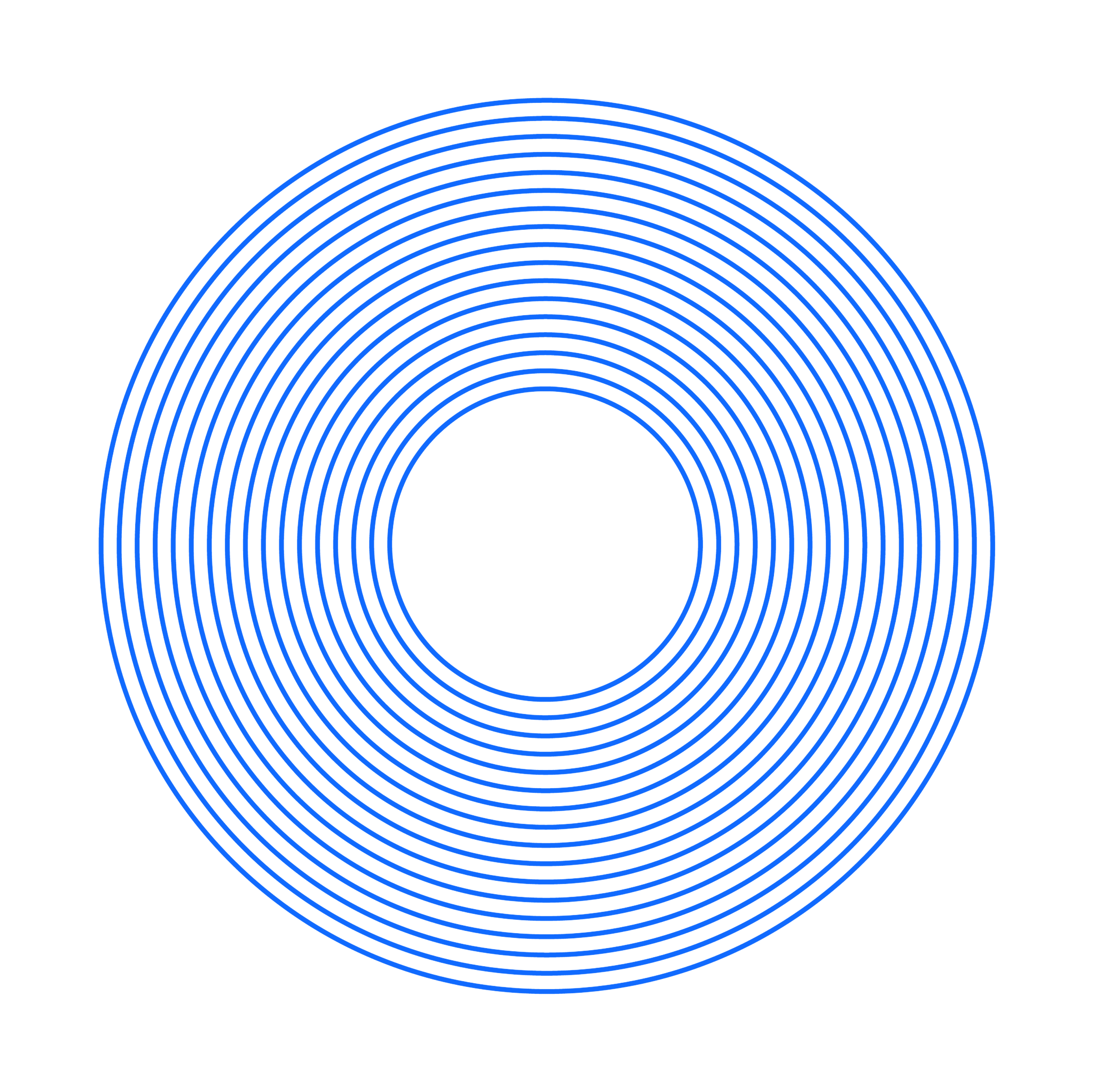
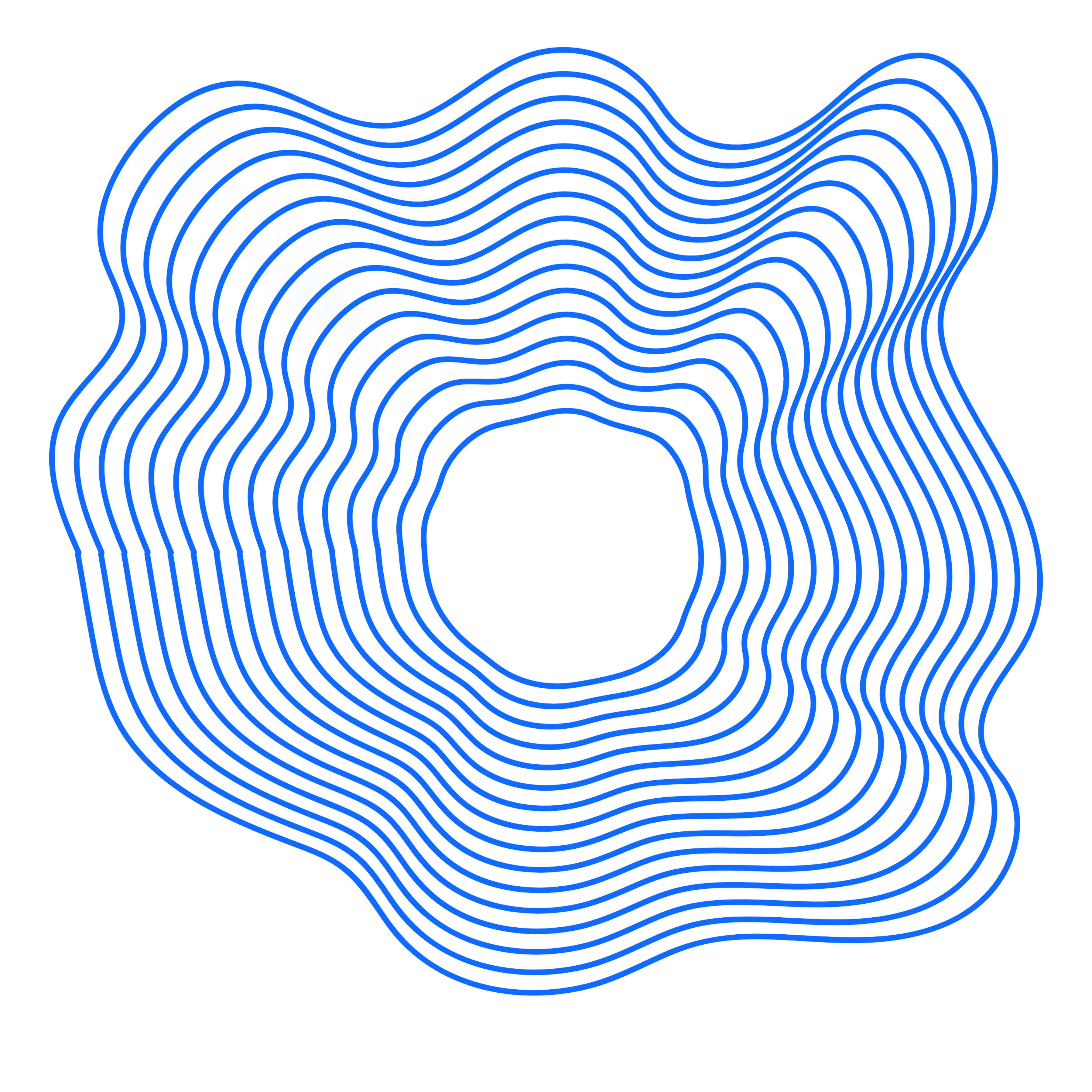
The system was built around line as a core element, using movement, density, and rhythm to reflect musical characteristics.
Two distinct visual behaviours were developed:
- Smooth, controlled blue lines representing early compositions
- Erratic, fragmented orange lines representing later experimentation
By altering how the lines behave, the system mirrors the progression of Davis’s music - shifting from structure to abstraction.



Editorial image of Miles Davis used for non-commercial design exploration.
Miles Davis
Visual system translating musical evolution - Concept
2024 | Visual System | Music Design
PROJECT
From structure to experimentation
From system to output
The system is driven by line behaviour, translating shifts in rhythm, density, and form. Overlapping linework reflects the tension between structure and experimentation, mirroring the evolution of Miles Davis’s music.
The system adapts across print and physical formats, maintaining consistency while allowing variation in composition and expression.
Line behaviour responds to audio - bass driving structural blues, treble giving the orange reaction.
Outcome
The project establishes a flexible visual system capable of translating musical evolution into a clear and recognisable language.
By shifting from structured to expressive behaviours, the system captures contrast, progression, and variation while remaining visually consistent across formats.
It demonstrates how abstract concepts such as rhythm and tone can be communicated through controlled, rule-based design.
No Disguise
Youth mental health platform - Concept
2026 | Brand Identity | Website Design | UI/UX
A-642 Architects
Branding commissioned by A-642
2025 | Branding | Client Project


LUMA
Youth mental health platform - Concept
2026 | Brand Identity | Website Design | UI/UX
Miles Davis’s work spans multiple eras, shifting from structured, melodic compositions to more experimental and expressive forms.
Traditional visual approaches often reduce artists to a single aesthetic, failing to capture this evolution over time.
The challenge was to create a system that could reflect change - translating sound, rhythm, and structure into a clear visual language.
The system was built around line as a core element, using movement, density, and rhythm to reflect musical characteristics.
Two distinct visual behaviours were developed:
- Smooth, controlled blue lines representing early compositions
- Erratic, fragmented orange lines representing later experimentation
By altering how the lines behave, the system mirrors the progression of Davis’s music - shifting from structure to abstraction.
