


Miles Davis
Visual system design - Concept
2024 | Visual System | Music Design

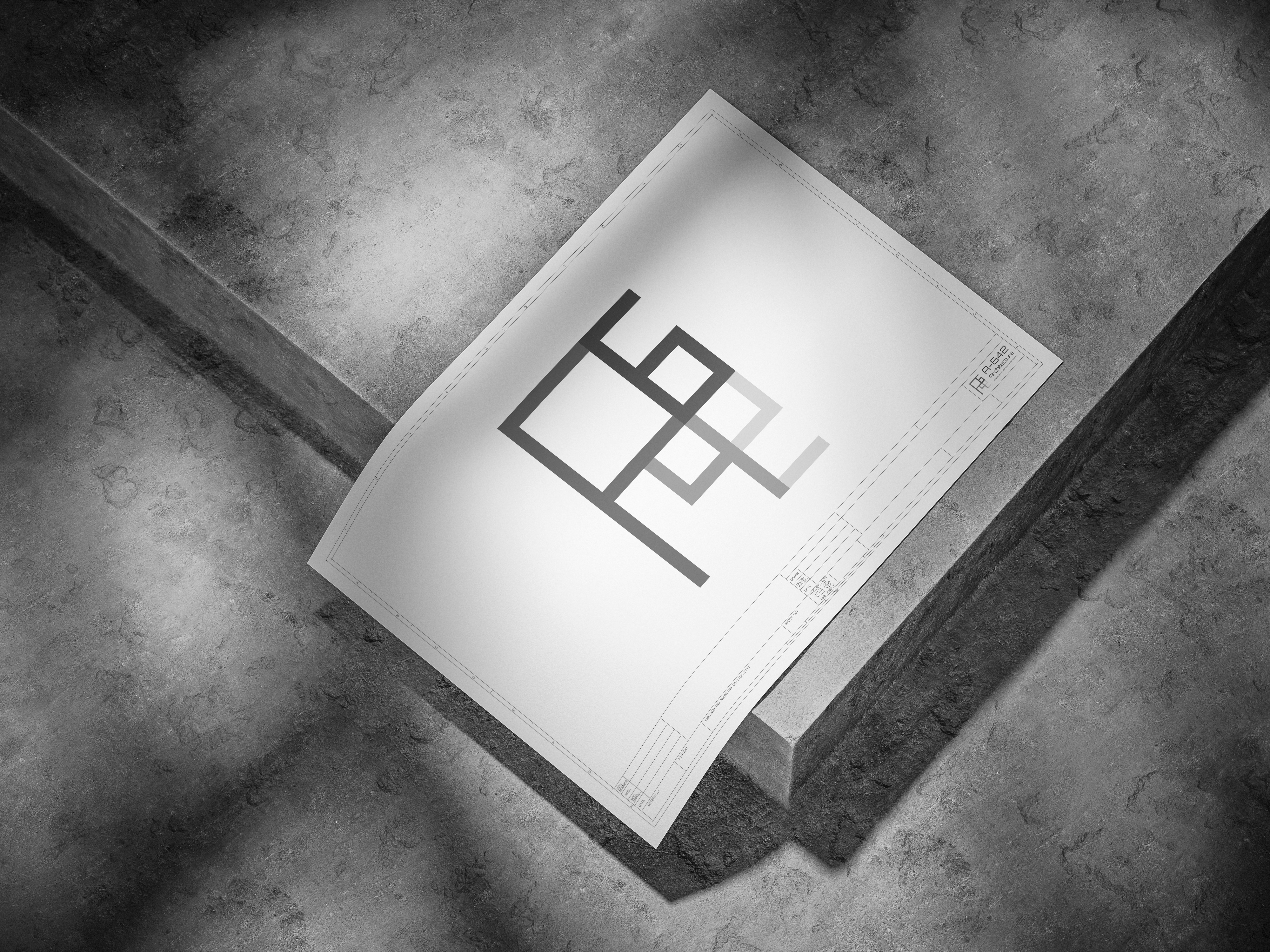
A-642 required a visual identity that reflected precision, structure, and the logic of architectural practice. Many architectural brands rely on generic minimalism, lacking a clear connection to the discipline itself. The challenge was to create an identity rooted in architectural thinking - one that felt intentional, scalable, and system-driven rather than purely aesthetic.
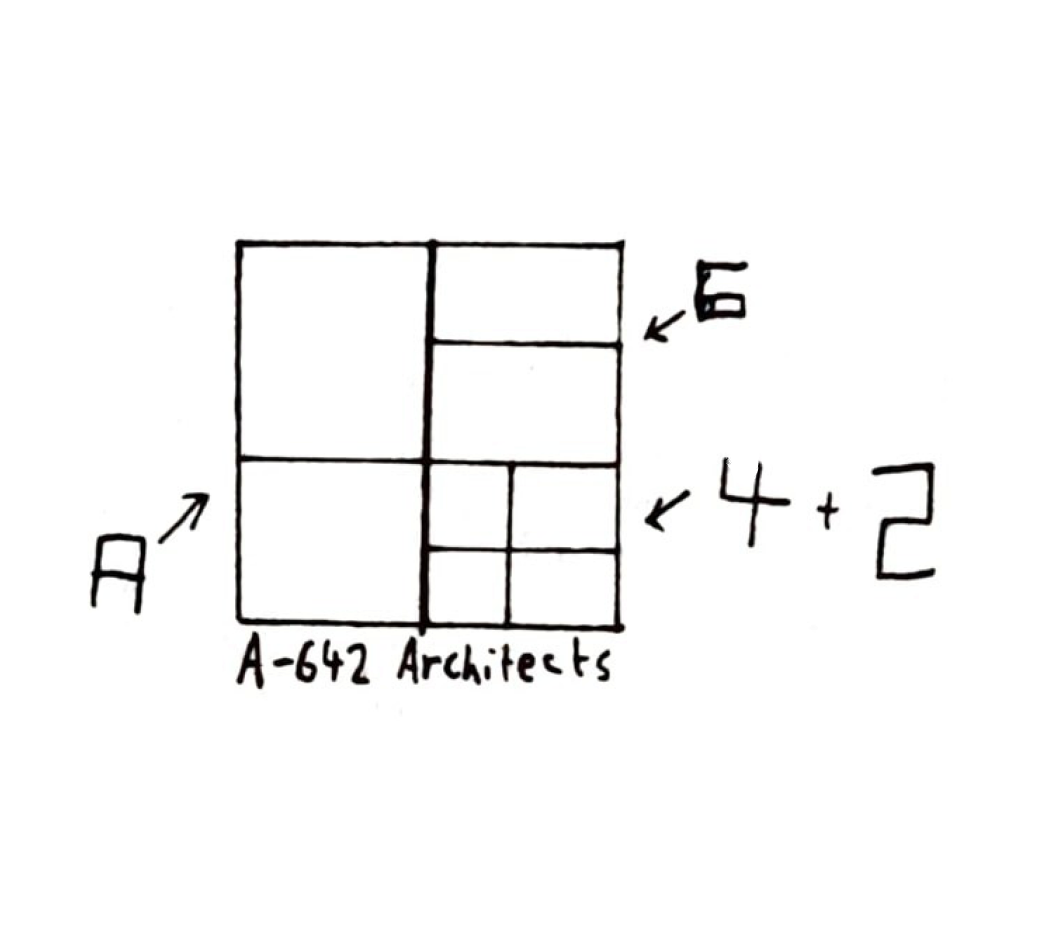
The identity was developed through a process of reduction, breaking architectural forms into simple geometric relationships. Early sketches explored grid structures, spatial hierarchy, and the interaction between vertical and horizontal elements. Rather than designing a symbol arbitrarily, the mark emerged from these underlying principles - ensuring it reflects the discipline it represents.
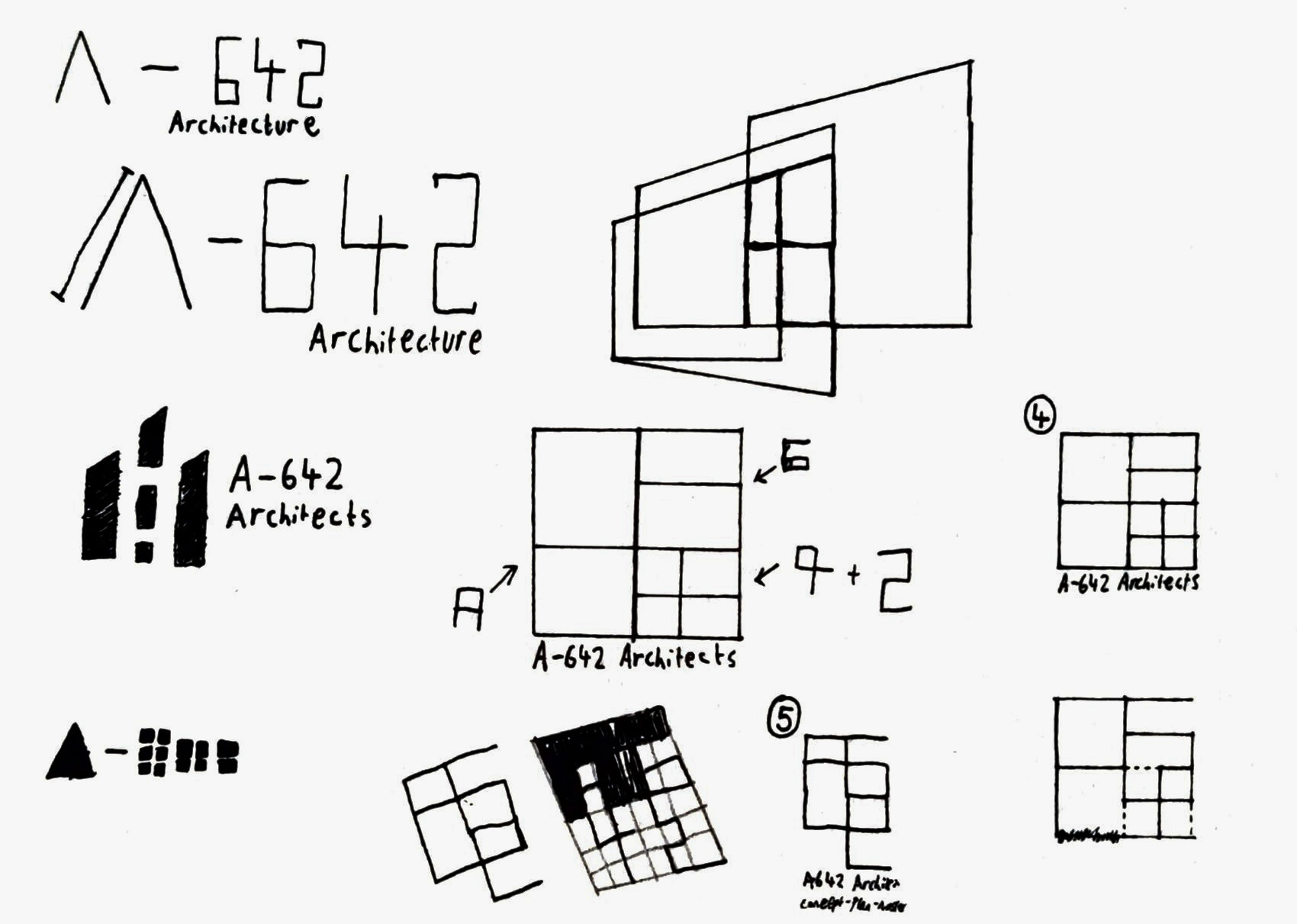
Constructed through grid logic and spatial subdivision
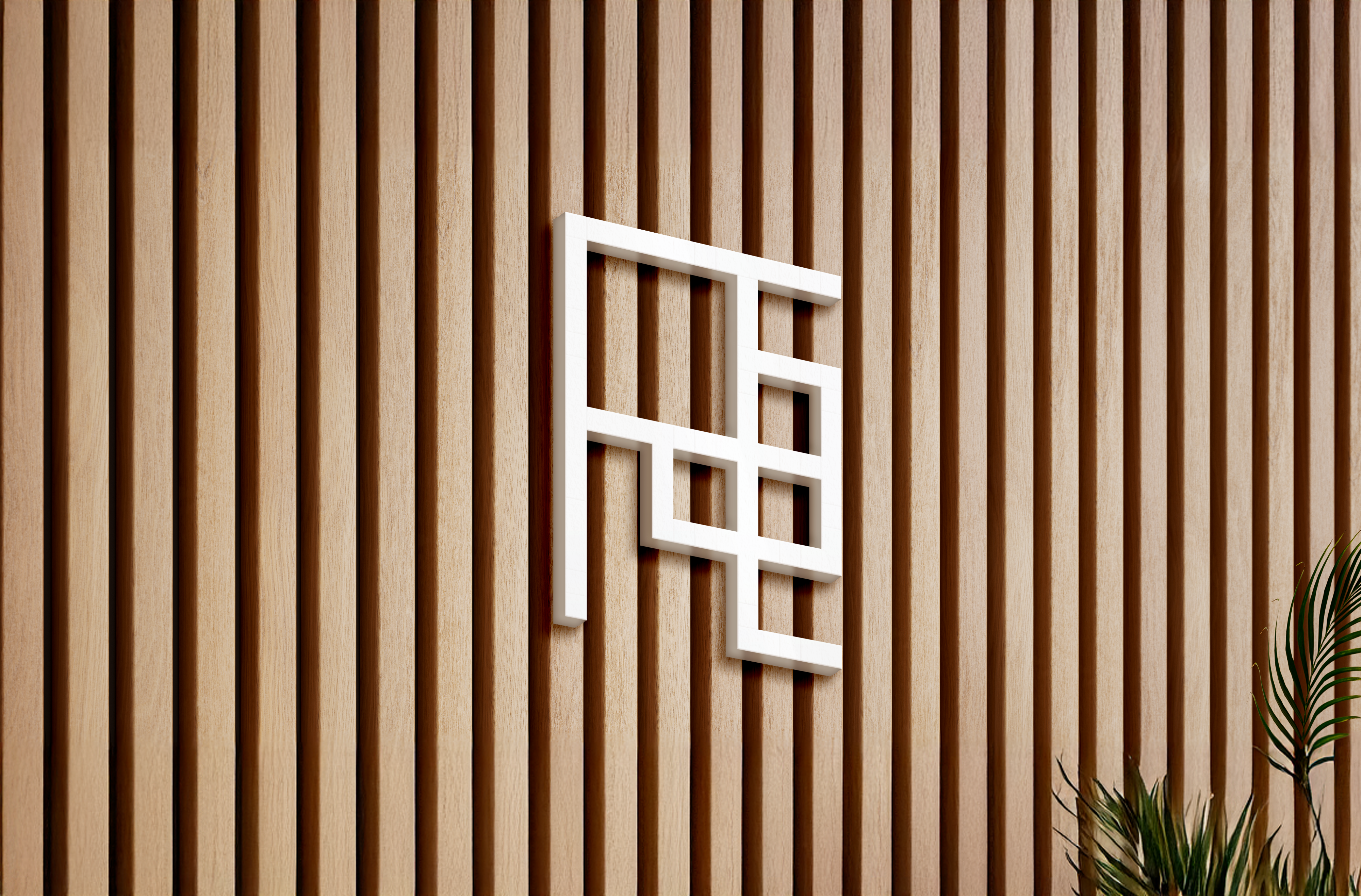
Built for real-world application
The identity was designed to function across professional and physical environments, from printed materials to environmental applications.
Its structured geometry ensures consistency, while allowing flexibility in scale and composition.
Outcome
The project delivers a structured visual identity grounded in architectural logic and spatial relationships.
By reducing complex forms into a clear, modular system, the identity achieves consistency across applications while remaining flexible in scale and composition.
It demonstrates how disciplined, system-led design can create a distinctive and professional presence within a traditionally minimal sector.

No Disguise
Youth mental health platform - Concept
2026 | Brand Identity | Website Design | UI/UX






LUMA
Youth mental health platform - Concept
2026 | Brand Identity | Website Design | UI/UX








A-642 Architects
Branding commissioned by A-642
2025 | Branding | Client Project
PROJECT

Miles Davis
Visual system design - Concept
2024 | Visual System | Music Design
A-642 required a visual identity that reflected precision, structure, and the logic of architectural practice. Many architectural brands rely on generic minimalism, lacking a clear connection to the discipline itself. The challenge was to create an identity rooted in architectural thinking - one that felt intentional, scalable, and system-driven rather than purely aesthetic.
The identity was developed through a process of reduction, breaking architectural forms into simple geometric relationships. Early sketches explored grid structures, spatial hierarchy, and the interaction between vertical and horizontal elements. Rather than designing a symbol arbitrarily, the mark emerged from these underlying principles - ensuring it reflects the discipline it represents.
Constructed through grid logic and spatial subdivision
Built for real-world application
The identity was designed to function across professional and physical environments, from printed materials to environmental applications.
Its structured geometry ensures consistency, while allowing flexibility in scale and composition.
Outcome
The project delivers a structured visual identity grounded in architectural logic and spatial relationships.
By reducing complex forms into a clear, modular system, the identity achieves consistency across applications while remaining flexible in scale and composition.
It demonstrates how disciplined, system-led design can create a distinctive and professional presence within a traditionally minimal sector.
No Disguise
Youth mental health platform - Concept
2026 | Brand Identity | Website Design | UI/UX


LUMA
Youth mental health platform - Concept
2026 | Brand Identity | Website Design | UI/UX


A-642 Architects
Branding commissioned by A-642
2025 | Branding | Client Project
PROJECT
